
How a VMS Improves Contingent Workforce Visibility | Conexis VMS

A Vendor Management System (VMS) improves contingent workforce visibility by providing real-time insight into workers, vendors, spend, and compliance across all locations - enabling faster decisions, reduced costs, and better workforce performance.


7 Ways a Vendor Management System (VMS) Improves Contingent Workforce Visibility:

1. Real-Time Workforce Visibility

See who is working, where they are, and what roles are filled across all locations in real time.

2. Centralized Workforce Data

Consolidate all worker, vendor, and assignment data into a single system for one source of truth.

3. Vendor Performance Visibility

Track supplier performance metrics like fill rates, response times, and worker quality.

4. Workforce Spend Transparency

Gain real-time insight into bill rates, pay rates, and total contingent labor spend.

5. Live Attendance & Shift Tracking

Monitor attendance, no-shows, and shift coverage as they happen.

6. Compliance & Credential Visibility

Track certifications, licenses, and compliance requirements with automated alerts.

7. Data-Driven Workforce Insights

Use dashboards and analytics to identify trends and make better workforce decisions.

What is Workforce Visibility?

Contingent workforce visibility is the ability to see all non-employee workers, vendors, assignments, costs, and compliance data in real time across an organization. A Vendor Management System (VMS) provides this visibility by centralizing workforce data, enabling real-time tracking, and delivering actionable insights.

Banner Retain Relationship With Contingent Workers

Why is Workforce Visibility Important?

As organizations rely more heavily on contingent labor, visibility becomes critical to managing performance, cost, and risk.

Yet many companies still rely on:

  • Spreadsheets
  • Email communication
  • Disconnected vendor processes
  • Location-specific tracking

This creates fragmented data and limited control.

If you're in HR, Talent Acquisition, Procurement, or Operations, you’ve likely asked:

  • Who is currently working across all locations?
  • Which shifts or roles are understaffed?
  • Where are no-shows happening most frequently?
  • Which staffing vendors are delivering results?
  • How much are we spending on contingent labor in real time?
  • Are workers compliant and properly credentialed?

Without clear visibility, workforce management becomes reactive, inconsistent, and difficult to scale.


Why Workforce Visibility Is a Major Challenge

Most organizations struggle with visibility because their workforce data is fragmented across:

  • Spreadsheets
  • Emails
  • Multiple staffing vendors
  • Disconnected systems

This leads to:

  • Lack of real-time insight
  • Inconsistent vendor performance
  • Limited cost control
  • Increased compliance risk

The result: you don’t know what’s happening until it’s too late.

Workers in office


The Cost of Poor Workforce Visibility

Lack of visibility directly impacts performance:

  • Overpaying for labor
  • High no-show rates
  • Slow time-to-fill
  • Duplicate workers or roles
  • Compliance gaps
  • Uncontrolled vendor spend

These issues compound as your workforce grows.

7 Ways a Vendor Management System Improves Contingent Workforce Visibility

1. Real-Time Workforce Visibility

A VMS provides a live view of your entire contingent workforce across all locations.

You can instantly see:

  • Who is on-site right now
  • Which roles are filled or open
  • Where staffing gaps exist

This allows teams to take immediate action instead of reacting after issues occur.


2. Centralized Workforce Data

A VMS consolidates all workforce information into a single platform.

This includes:

  • Worker data and profiles
  • Job requests and assignments
  • Vendor activity
  • Historical workforce data

This creates a single source of truth, improving accuracy and consistency across the organization.


3. Vendor Performance Visibility

A VMS enables full transparency into staffing vendor performance.

Track key metrics such as:

  • Fill rates
  • Time-to-fill
  • Response times
  • No-show rates
  • Worker quality

This allows organizations to optimize vendor relationships and improve overall workforce performance.


4. Workforce Spend Transparency

A VMS provides real-time visibility into contingent labor costs.

Organizations can track:

  • Bill rates vs. pay rates
  • Spend by location, vendor, or role
  • Overtime and hidden costs

This enables better financial control and cost optimization.


5. Live Attendance and Shift Tracking

In shift-based environments, real-time attendance tracking is critical.

A VMS allows you to:

  • Monitor attendance as it happens
  • Identify no-shows instantly
  • Track shift coverage across locations

This reduces operational disruption and improves workforce reliability.


6. Compliance and Credential Visibility

A VMS centralizes compliance management and automates tracking.

Gain visibility into:

  • Certifications and licenses
  • Expiration dates
  • Background checks and documentation

Automated alerts ensure compliance is maintained and risks are reduced.


7. Data-Driven Workforce Insights

A modern VMS transforms workforce data into actionable insights.

With dashboards and analytics, organizations can:

  • Identify workforce trends
  • Forecast labor demand
  • Improve hiring efficiency
  • Optimize vendor strategy

This enables proactive workforce management and better decision-making.

Frequently Asked Questions

What is contingent workforce visibility?

Contingent workforce visibility is the ability to track all non-employee workers, vendors, assignments, and costs in real time across an organization.

Why is real-time workforce visibility important?

It enables faster decision-making, improves vendor performance, reduces staffing gaps, and helps control labor costs.

How does a VMS improve workforce visibility?

A VMS centralizes workforce data, provides real-time tracking, and delivers analytics that give organizations complete insight into their contingent workforce.

Which industries benefit most from workforce visibility?

Manufacturing, logistics, healthcare, retail, and any organization managing shift-based or high-volume contingent labor benefit significantly.


How do I Choose the Best Vendor Management System

When choosing a VMS, consider your company’s specific requirements.

The right VMS helps you streamline vendor management, improve compliance, and reduce costs. But not all systems are created equal. Our free VMS Buyer’s Guide includes expert insights and a step-by-step checklist to help you find the right fit.
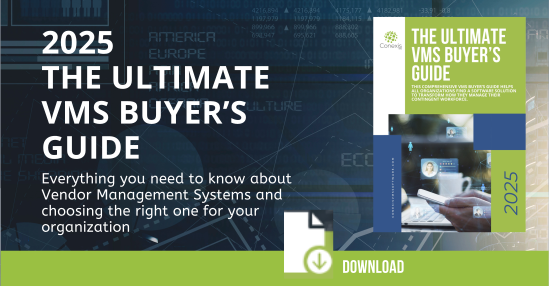
Everything you need to know about Vendor Management Systems

Here are just a few things to evaluate when choosing a VMS:

1. Scalability & Flexibility

Choose a solution that grows with your business. Modular, configurable systems allow you to scale features as your workforce needs evolve.

2. Integration Capabilities

Ensure your VMS integrates seamlessly with existing tools like your HRIS, payroll, ERP, or time-tracking systems for maximum efficiency.

3. Real-Time Reporting & Analytics

Look for platforms that offer customizable dashboards, workforce spend insights, and performance tracking to drive smarter decisions.

4. Supplier & Freelancer Management

Your VMS should make it easy to manage staffing agencies and independent contractors, offering automated workflows and communication tools.

5. MSP-Specific Features

If you work with a Managed Service Provider (MSP), look for functionality that supports program flexibility, regulatory compliance, and client success.


Why Leading Organizations Choose Conexis VMS to Improve Contingent Workforce Visibility

Conexis VMS is built to deliver real-time contingent workforce visibility without the complexity of legacy systems.

With Conexis, organizations benefit from:

  • Real-time workforce dashboards across all locations
  • Native shift-based workforce management
  • Open API integrations with HR, ATS, ERP, and payroll systems
  • Fast implementation in weeks—not months
  • Intuitive user experience that drives adoption

Conexis combines enterprise-grade capability with mid-market flexibility—providing complete visibility, control, and scalability.

Additional Reading the Benefits of a VMS

how a vms delivers cost savings square 2
Cost Reduction

How a Vendor Management System Reduces Contingent Workforce Cost

Discover how a Vendor Management System reduces contingent workforce costs. 

RISK IMAGE
Risk Reduction

How a VMS Reduces Contingent Workforce Risk

Discover how a Vendor Management System reduces contingent workforce risk.

×
cta-bg-1-1800x760
 

Would you like to learn more about how you can Improve Contingent Workforce Visibility with a VMS?

Let's Talk!

Our powerful, yet easy to use vendor management system has been built on the latest technology and designed with the user in mind. Making it the perfect solution for any sized business looking to get control of their entire contingent workforce and the suppliers that provide them.

Book a Demo